
Description
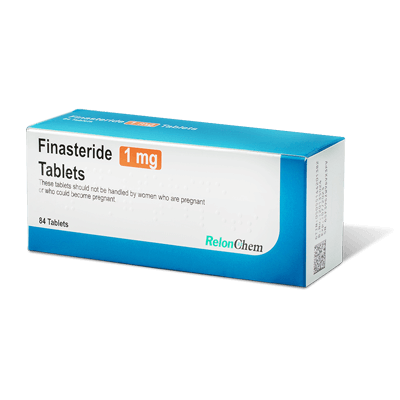
Buy Finasteride — Clinically Proven DHT Blocker for Hair Loss Prevention & Regrowth
Finasteride is the most clinically proven oral medication for male pattern hair loss (androgenetic alopecia) — an FDA-approved 5-alpha-reductase inhibitor that blocks the conversion of testosterone to dihydrotestosterone (DHT), the primary hormone responsible for hair follicle miniaturisation and male pattern baldness. Buy Finasteride to halt progressive hair loss, prevent further thinning, and stimulate regrowth of weakened follicles — with decades of clinical evidence supporting its effectiveness.
What Is Finasteride?
Finasteride is a Type II 5-alpha-reductase inhibitor that blocks the enzyme responsible for converting testosterone into dihydrotestosterone (DHT) in the scalp and other tissues. DHT binds to androgen receptors in hair follicles, causing progressive miniaturisation and eventually follicle death. By reducing scalp DHT levels by approximately 60–70%, Finasteride removes this androgenic signal — stopping hair loss progression and allowing miniaturised follicles to recover and produce thicker, terminal hair. Originally developed as Proscar (5mg for BPH), the 1mg dose branded as Propecia was FDA-approved in 1997 specifically for male pattern baldness.
Finasteride Benefits
- Halts hair loss progression: Finasteride stops male pattern baldness in approximately 90% of men within 12 months of consistent use
- Promotes hair regrowth: Clinical trials show visible hair regrowth in approximately 60–66% of men after 2 years of use — particularly in the vertex (crown) and mid-scalp areas
- Scalp-specific DHT reduction: Reduces scalp DHT by ~60–70% while maintaining systemic testosterone levels — targeted action at the root cause
- Once-daily oral dosing: Single 1mg tablet daily — simple, consistent, and no topical application required
- Long-term protection: Hair loss halts and regrowth is maintained for as long as treatment continues; most loss returns 6–12 months after discontinuation
Finasteride Specifications
| Attribute | Details |
|---|---|
| Product Name | Finasteride |
| Category | 5-Alpha-Reductase Inhibitor / Hair Loss Treatment |
| Form | Oral tablets |
| Standard Dose (Hair Loss) | 1mg/day |
| DHT Reduction | ~60–70% scalp DHT suppression |
| FDA Approved | Yes — for male pattern hair loss (1997) |
| Results Timeline | 3–6 months to halt loss; 12–24 months for visible regrowth |
| Use in Women | Not recommended — contraindicated in pregnant women |
Finasteride for Steroid Users
Male pattern hair loss is accelerated by anabolic steroid use — particularly DHT-derived steroids such as Winstrol (Stanozolol), Anavar (Oxandrolone), Masteron, and Proviron. These compounds are already in their reduced form and bind directly to scalp androgen receptors — Finasteride cannot block DHT-derived steroids at the follicle. However, Finasteride is effective at protecting against testosterone-driven hair loss by blocking the conversion of exogenous testosterone to DHT during cycles that include injectable testosterone esters.
- Effective protection against: Testosterone Enanthate, Sustanon 250, Testosterone Propionate — DHT conversion from exogenous testosterone is blocked
- Less effective against: Winstrol, Anavar, Masteron — already DHT-derived; 5AR enzyme is not involved
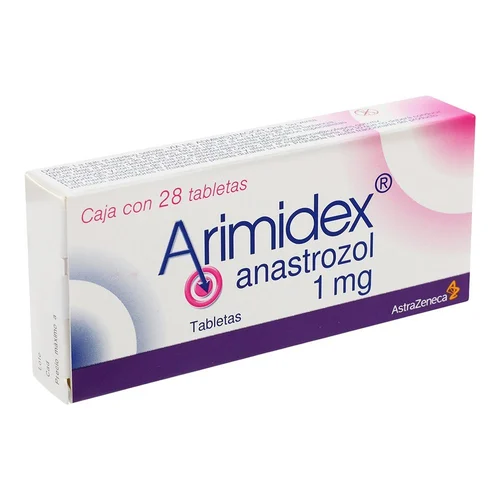
- Key consideration: On testosterone cycles, using Finasteride alongside Arimidex provides both estrogen control and DHT/hair protection
Finasteride FAQ
How long does Finasteride take to work?
Hair loss halting is typically seen within 3–6 months of consistent daily use. Visible regrowth in the crown and mid-scalp is typically observed after 12 months, with full results at 24 months. Finasteride must be used continuously — stopping treatment leads to return of hair loss within 6–12 months.
Will Finasteride affect my testosterone levels?
No — Finasteride blocks DHT conversion but does not lower testosterone. In fact, blocking DHT conversion can mildly increase circulating testosterone levels (the testosterone that would have converted to DHT remains as testosterone). This makes it compatible with TRT and anabolic steroid protocols involving testosterone.
Can women use Finasteride?
Finasteride is contraindicated in women who are or may become pregnant due to risk of fetal harm. Post-menopausal women are sometimes prescribed Finasteride off-label for female pattern hair loss, but this requires physician oversight. Not recommended for use in women of childbearing potential.
⚠️ Disclaimer: Finasteride is a prescription medication. Consult a qualified healthcare provider before use. Not recommended for women of childbearing age. Individual results vary.
Reviews
There are no reviews yet.