
Not all protein is created equal, and if you’re still measuring your gains purely by total grams of protein per day, you’re leaving serious muscle on the table. Amino acids activate muscle protein synthesis via the mTORC1 pathway in ways that total protein intake alone cannot replicate. The specific amino acids you consume, their ratios, and when you take them determine whether your body actually builds new muscle tissue or just maintains what you already have. This guide breaks down the science of essential amino acids (EAAs) and branched-chain amino acids (BCAAs), explains the molecular triggers behind muscle growth, and gives you a practical framework to optimize every meal and training session.
Table of Contents
- Why amino acids matter for muscle growth
- How muscle protein synthesis works: The mTORC1 connection
- EAAs vs BCAAs: Which delivers better muscle and recovery results?
- The leucine threshold and how much you really need
- Optimizing recovery: Reducing soreness and inflammation with amino acids
- Limitations, caveats, and advanced strategies
- Putting it all together: Practical amino acid strategies for bodybuilders
- Choosing high-quality amino supplements for optimal results
- Frequently asked questions
Key Takeaways
| Point | Details |
|---|---|
| Leucine triggers growth | 2–3g per meal of leucine, from EAAs or protein, is key for muscle gains. |
| EAAs beat BCAAs alone | Complete EAAs deliver superior muscle-building compared to BCAA-only supplements. |
| Supplements fill gaps | Amino acid supplements help most when dietary protein or meal quality is low. |
| Timing boosts recovery | Post-exercise EAA/BCAA intake supports faster recovery and less soreness. |
| Know your targets | Aim for 1.6–2.2g protein/kg/day and 3–5 spaced protein/EAA intakes for best results. |
Why amino acids matter for muscle growth
Amino acids are the individual building blocks that make up every protein in your body. There are 20 total, split into two main groups: non-essential amino acids, which your body can produce on its own, and essential amino acids (EAAs), which you must get from food or supplements because your body cannot synthesize them. Within the EAA group sits a special subset called branched-chain amino acids (BCAAs), which include leucine, isoleucine, and valine.
BCAAs make up roughly 20% of the total amino acid pool in muscle tissue and account for about 35% of the EAA profile in skeletal muscle. That concentration alone tells you why they matter. But the real story is leucine. EAAs and BCAAs are vital signals for muscle protein synthesis, with leucine acting as the primary molecular trigger that tells your muscles to start building.
Here is a quick breakdown of the three categories:
- Non-essential amino acids: Produced by the body; support general metabolism and tissue repair
- Essential amino acids (EAAs): Must come from diet; nine total, all required for complete muscle protein synthesis
- BCAAs: Three of the nine EAAs; leucine, isoleucine, valine; directly involved in muscle energy and anabolic signaling
Explore BCAA and EAA supplementation options if your diet consistently falls short of these targets.
| Amino acid type | Count | Key role |
|---|---|---|
| Non-essential | 11 | General metabolism, tissue repair |
| Essential (EAAs) | 9 | Complete muscle protein synthesis |
| BCAAs (subset of EAAs) | 3 | Anabolic signaling, muscle energy |
How muscle protein synthesis works: The mTORC1 connection
mTORC1 (mechanistic target of rapamycin complex 1) is the master switch for muscle protein synthesis. When it gets activated, your muscle cells ramp up production of new contractile proteins. When it stays off, muscle growth stalls regardless of how hard you train.
Here is how the process unfolds step by step:
- You consume protein or EAA/BCAA supplements containing leucine
- Leucine enters the bloodstream and is sensed by muscle cells
- Leucine activates mTORC1 inside the cell
- mTORC1 phosphorylates two key proteins: p70S6K and 4E-BP1
- This phosphorylation cascade switches on the machinery for building new muscle proteins
- Muscle protein synthesis (MPS) increases, driving hypertrophy over time
Leucine activates mTORC1, which then phosphorylates p70S6K and 4E-BP1 to initiate MPS. This is why two meals with identical total protein content can produce very different anabolic responses if their leucine content differs.
Key insight: A 30g serving of plant protein with low leucine content will trigger far less mTORC1 activity than a 25g serving of whey, which is naturally leucine-dense. Total grams are not the whole story.
Understanding this mechanism also explains why how amino acids work for recovery is a topic worth studying before you finalize your supplement stack.

EAAs vs BCAAs: Which delivers better muscle and recovery results?
This is one of the most debated topics in sports nutrition, and the research has gotten clearer in recent years. The short answer: full-spectrum EAAs outperform BCAAs alone for muscle protein synthesis and hypertrophy.
EAAs stimulate muscle protein accretion more effectively than BCAAs alone because BCAAs cannot sustain MPS without the other six EAAs present. In fact, EAA ingestion can yield roughly twice the muscle gain per gram compared to intact protein sources in some study conditions. BCAAs can initiate the mTORC1 signal, but without the full EAA complement, the synthesis process stalls.
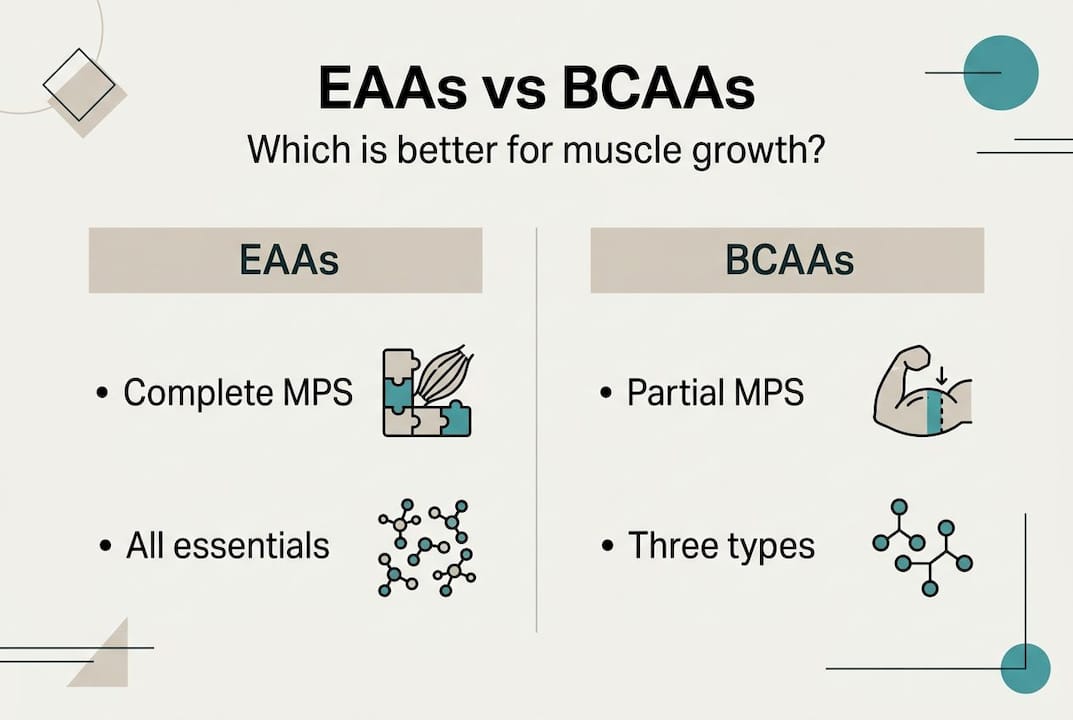
That said, BCAA or leucine supplementation showed little or no extra benefit for hypertrophy or strength in trained adults who already consumed adequate total protein. BCAAs are most useful in specific scenarios: fasted training, very low-calorie diets, or when total protein intake is suboptimal.
| Factor | EAAs | BCAAs only |
|---|---|---|
| Sustains full MPS | Yes | No |
| Triggers mTORC1 | Yes (via leucine) | Yes (via leucine) |
| Best for hypertrophy | Yes | Limited |
| Useful in low-protein diets | Yes | Partially |
| Cost efficiency | Moderate | High |
Pro Tip: Prioritize complete EAA sources like whey, eggs, or meat as your foundation. Use EAA supplements to fill gaps. Reserve BCAAs for fasted sessions or caloric deficits where full meals are not practical.
The leucine threshold and how much you really need
Leucine does not work on a linear scale. There is a threshold effect: you need to hit a minimum amount per meal to fully activate mTORC1, and going far above that threshold does not proportionally increase MPS.
The optimal per-meal leucine threshold is 2 to 3 grams to maximize MPS, which you typically find in 25 to 35 grams of high-quality protein. Here are the practical daily targets:
- General active adults: 8 to 12 grams of leucine per day
- Resistance-trained athletes: 10 to 15 grams of leucine per day
- Older adults or those in caloric deficit: Aim for the higher end of these ranges due to anabolic resistance
- Per-meal target: 25 to 35 grams of high-quality protein, spread across 3 to 5 meals
Benefits of supplementation plateau above 1.6 to 2.0 grams of protein per kilogram of bodyweight per day, or when leucine exceeds 2 to 3 grams per meal. Stacking more leucine on top of an already optimized diet produces diminishing returns.
Older athletes face a real challenge called anabolic resistance, where muscle cells become less sensitive to leucine signals. This means they need more leucine per meal, not less, to achieve the same MPS response as younger lifters.
Pro Tip: Space your protein intake across 3 to 5 meals daily, each containing at least 2 to 3 grams of leucine. Cluster one of those feedings around your workout window for maximum anabolic effect.
Optimizing recovery: Reducing soreness and inflammation with amino acids
Muscle growth happens during recovery, not during the workout itself. Amino acids play a direct role in how fast and how completely you bounce back between sessions.
Key recovery benefits backed by research include:
- Reduced DOMS (delayed onset muscle soreness): Lower perceived soreness in the 24 to 72 hours post-training
- Reduced inflammation markers: Lower levels of IL-6, CRP, and creatine kinase (CK) after intense sessions
- Faster return to full performance: Less residual fatigue between training days
Supplementation post-exercise reduces DOMS and inflammation markers including IL-6, CK, and CRP, with timing playing a critical role in the magnitude of benefit. Post-workout is the window where amino acid delivery has the most consistent impact on recovery outcomes.
Important nuance: Recovery benefits are most notable when protein intake or per-meal leucine falls below optimal, or during periods of overreaching and intense training blocks. If your diet is already dialed in, the recovery edge from supplements narrows.
For performance gains like strength or power output, the evidence is less consistent. Recovery is where amino acid supplementation earns its strongest case. Explore using amino acid supplements for faster recovery to find products matched to your training intensity.
Limitations, caveats, and advanced strategies
Amino acid supplements are not magic. Knowing when they help and when they do not saves you money and keeps your expectations realistic.
Scenarios where supplements provide meaningful benefit:
- Low total protein intake: Below 1.4 grams per kilogram of bodyweight per day
- Caloric deficit: Muscle preservation becomes harder; EAAs help maintain MPS
- Older adults: Anabolic resistance means higher leucine needs per meal
- Intense overtraining blocks: Recovery demand exceeds what diet alone can support efficiently
Scenarios where supplements add little:
- Already protein-optimized diets: Hitting 1.6 to 2.0 grams per kilogram with leucine-rich meals
- Strength or hypertrophy gains in trained athletes: Chronic RCTs show minimal added benefit
One underappreciated risk: excess leucine can antagonize the uptake of isoleucine and valine, disrupting the BCAA balance your muscles need. Flooding your system with isolated leucine or high-dose BCAA products can actually work against you.
Pro Tip: Track your actual protein and leucine intake for one week before adding any EAA or BCAA supplement. Target the gaps in your diet rather than defaulting to automatic supplementation.
Putting it all together: Practical amino acid strategies for bodybuilders
Here is the evidence-based daily blueprint that ties everything together:
- Total protein: Consume 1.6 to 2.2 grams per kilogram of bodyweight per day
- Per-meal leucine: Hit 2 to 3 grams of leucine in each protein-containing meal
- Meal frequency: Spread intake across 3 to 5 feedings to maximize MPS across the day
- Supplement choice: Prioritize full-spectrum EAA supplements over isolated BCAAs for muscle building
- Timing: Take EAAs or a high-quality protein source post-workout, especially after intense sessions
- Recovery focus: Use targeted BCAA supplementation during fasted training or caloric deficits
Combining 1.6 to 2.2 grams per kilogram of protein per day, spaced over 3 to 5 feedings with 8 to 12 grams of leucine and 10 to 20 grams of EAA or BCAA post-workout, produces the best outcomes for muscle growth and recovery.
| Goal | Strategy | Daily target |
|---|---|---|
| Muscle growth | High-quality protein + EAAs | 1.6 to 2.2 g/kg protein |
| Leucine optimization | 25 to 35g protein per meal | 2 to 3g leucine per meal |
| Recovery | Post-workout EAA/BCAA | 10 to 20g post-exercise |
| Meal timing | Spread feedings evenly | 3 to 5 meals per day |
Choosing high-quality amino supplements for optimal results
Product quality is not a marketing phrase when it comes to amino acid supplements. Purity, EAA to BCAA ratio, and sourcing directly affect how well a product performs in the real world. Underdosed or poorly formulated products will not hit the leucine thresholds your muscles need to trigger MPS, no matter how well you time them.
At all-aminopeptides.com, you will find a curated selection of shop amino acid supplements built for serious athletes who understand the science behind what they put in their bodies. From full-spectrum EAA formulas to targeted BCAA products, every option is selected for purity and performance. If you are ready to close the gap between your current results and your actual potential, this is where you start.
Top Peptides to Checkout
-
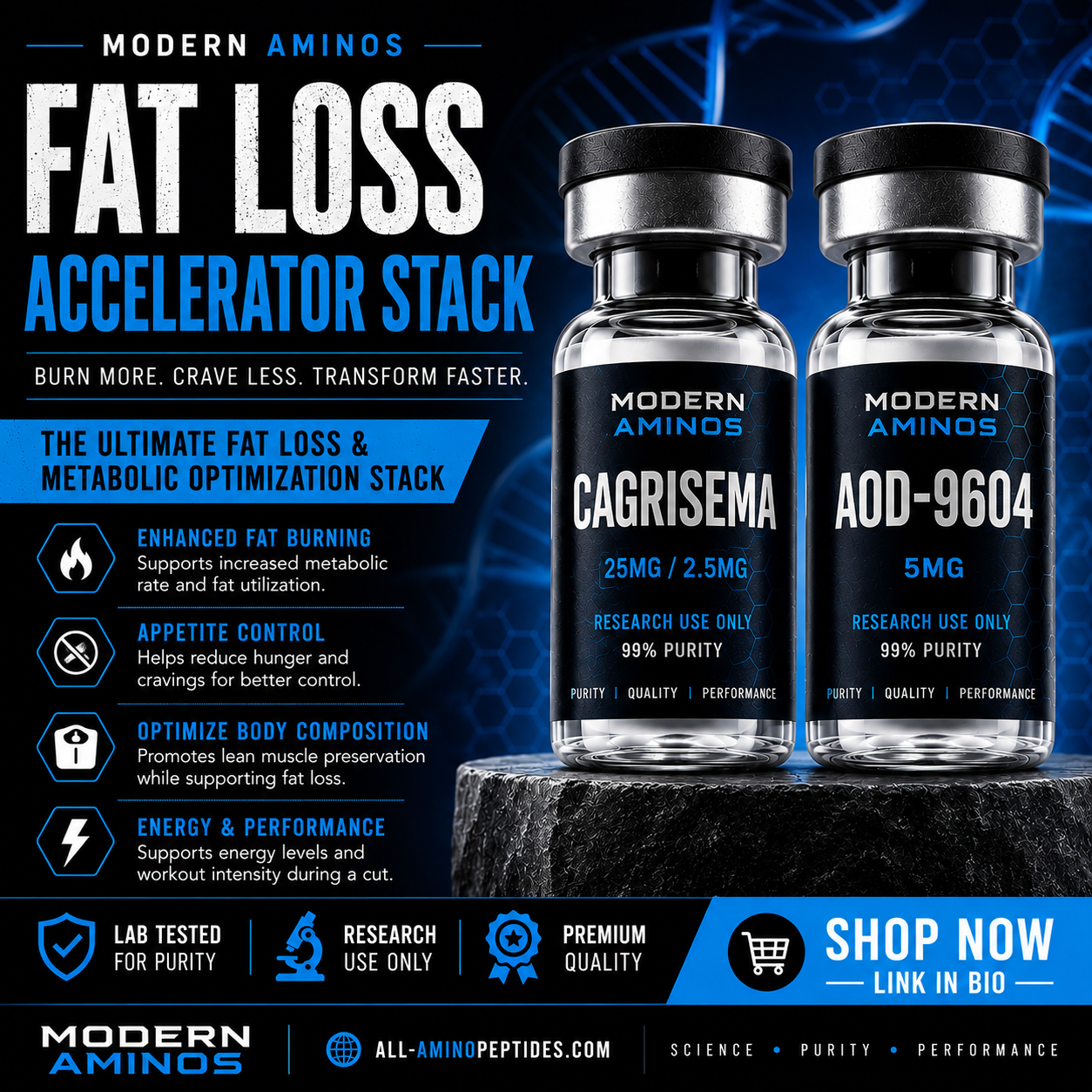
Fat Loss Accelerator Stack™ | Advanced Metabolic & Body Recomposition Stack
Price range: $199.99 through $829.99 -
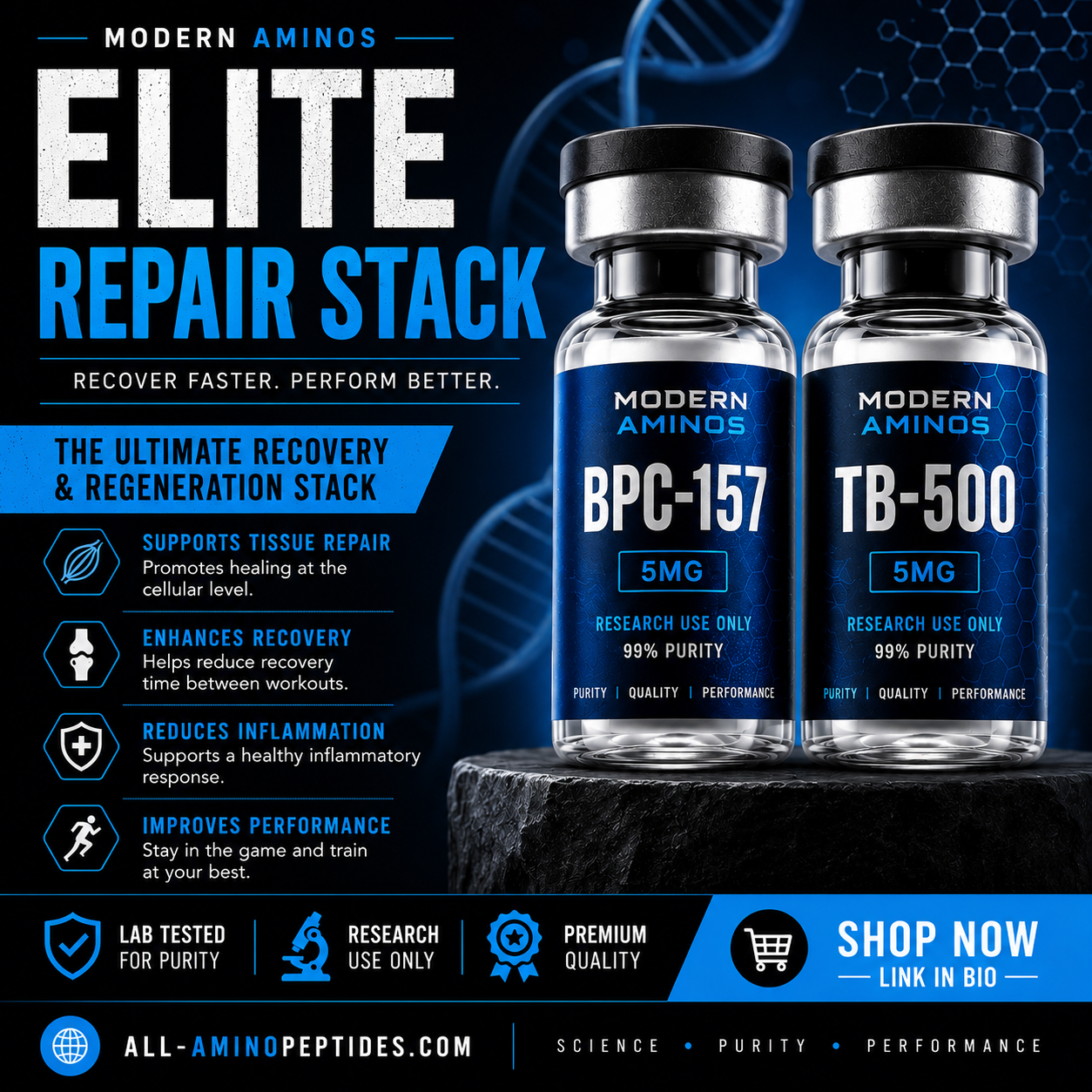
Elite Repair Stack™ | Advanced Recovery & Regeneration Performance Stack
Price range: $149.99 through $579.99 -

Qsymia
Price range: $160.00 through $250.00 -

Mounjaro Pen
Price range: $120.00 through $240.00 -
Buy GLP-3 RT
Price range: $80.00 through $310.00 -

Tesamorelin
$85.00 -
Glutathione
Price range: $80.00 through $189.99 -
CJC-1295 NO DAC 5MG & Ipamorelin 5MG
$107.00 -
GHK-CU
Price range: $80.00 through $125.00 -
Melanotan 2 10MG
$80.45 -
AOD-9604 5MG
Price range: $77.00 through $150.00 -
Ipamorelin 5MG
$80.45
Frequently asked questions
What is the difference between EAAs and BCAAs?
EAAs include all nine essential amino acids, while BCAAs are just three of them: leucine, isoleucine, and valine. BCAAs play special roles in muscle energy and anabolic signaling, but they cannot replace the full EAA spectrum for complete muscle protein synthesis.
Should I take amino acids if I already get enough protein?
If you consistently hit 1.6 to 2.0 grams per kilogram of protein daily and each meal contains at least 2 to 3 grams of leucine, supplementation benefits plateau and you will see little or no added muscle-building effect from extra amino acid products.
When is the best time to take amino acid supplements for recovery?
Post-exercise timing is superior for reducing muscle soreness and inflammation markers. Taking EAAs or BCAAs immediately after intense training gives you the most consistent recovery benefit.
Can you take too many BCAAs or leucine?
Yes. Excess leucine can antagonize the uptake of isoleucine and valine, disrupting the BCAA balance your muscles rely on. More is not always better, especially in already protein-rich diets.
Are EAA or BCAA supplements better than whole-food protein?
Whole foods like whey and meat provide the full EAA spectrum and remain the gold standard. Prioritize complete EAA sources like whey or meat as your base, and use supplements strategically to fill gaps rather than replace meals.
Recommended
Modern Amino Peptides – Quality Products with Quality Service
Leave a Reply